Physical Address
304 North Cardinal St.
Dorchester Center, MA 02124
Physical Address
304 North Cardinal St.
Dorchester Center, MA 02124

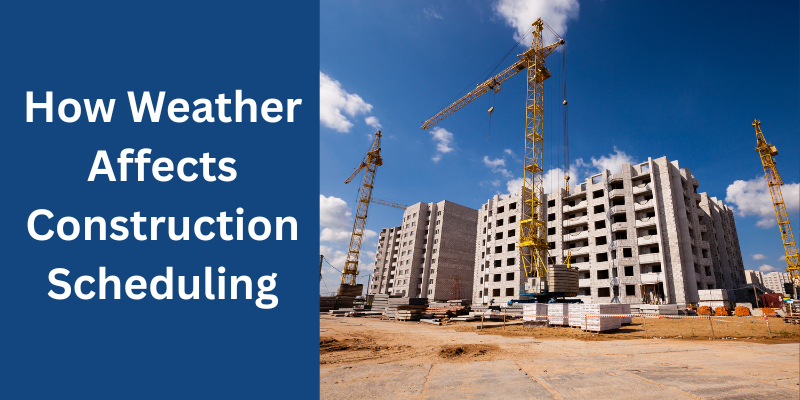
The most volatile and potent force affecting construction scheduling is weather. From raging rainstorms to blistering heat waves, weather can demolish schedules, destroy materials, and pose safety threats.
To construction companies, where the weather can shift from sunny to stormy to back again in months, they must fend off these complications to stay on their schedule.
Recognising why weather influences all stages of construction helps project managers build stronger schedules and talk more successfully to stakeholders and customers.
Delays caused by weather are unavoidable, but how a team sets up for and reacts to them can make or break achievement.
Not all climatic delays are the same. Various conditions impact work during construction in varying ways:
Rain is the leading cause of weather-related delays in construction. Excessive rain causes job sites to flood, erodes soil, and makes it dangerous to operate machinery or work on elevated levels.

Even light rain can prevent progress because it becomes challenging to paint, pour concrete, or roof. Storms, with their accompanying high winds and lightning, offer additional challenges. High winds make crane usage difficult. Storms also knock down half-built buildings or sweep away newly exposed soil.
Cold weather during cold seasons causes mortar and concrete to freeze, at times, become defective or absent. Labourers also develop illnesses related to cold, with a reduced number of working days or other protective controls.
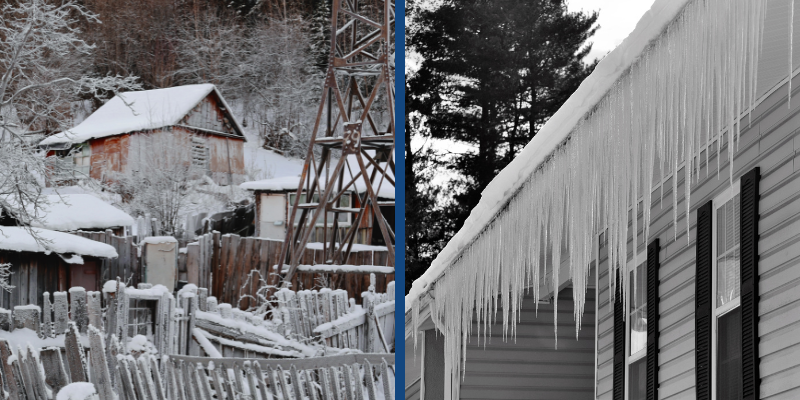
St. Louis builders also experience real challenges in winter, when freezing rain and snow might freeze things in place or necessitate expensive site preparation and upkeep, such as snow removal or warming enclosures.
Hot weather is also an issue. Extreme heat can render working conditions hazardous, particularly for tasks that involve direct sunlight exposure for long periods or heavy labour.
High humidity slows paint and concrete curing, delaying subsequent construction phases. Additionally, heat stresses equipment and labour as well, elevating the chances of failures and heat strokes.
During hot days, production declines, and this can have repercussions on overall project schedules in the long term.

Construction is not a monolithic, fixed process. Spring and fall might be the best building seasons in St. Louis, but summer and winter experience more climate-related shutdowns.
Project managers use region-specific seasonal patterns to develop more realistic and adaptive construction schedules.
Weather cannot be controlled during construction, but climate disruption to project schedules and productivity can be managed very well.
Experienced construction personnel apply numerous basic methods for preventing climate disruption and can work under any climate condition. Some of the optimum methods currently employed are described below.
A well-planned weather-contingency plan is required in any construction project. This involves the incorporation of buffer time in the project schedule to allow for anticipated climate delays. Project managers analyse past climate patterns for the project site and plan accordingly.
For example, St. Louis contractors would anticipate snow delays in January and rain delays in April based on historical climate patterns.
Teams avoid costly overruns by including such contingencies in the project schedule. Climate clauses can also be included in contracts with tolerable delay provisions that protect contractors and clients from claims.

Active scheduling also entails identifying the activities on the critical path least immune to climate disruption. Scheduling these activities in good weather enables teams to level out delays.
Contingency budgets must also provide for additional labour, plant, or material to make up lost time.
With proper sequencing of the jobs, productivity can be maximised regardless of conditions. Interior work, such as plumbing, electrical, or drywall hanging, can be done under adverse climatic conditions, but field activities such as excavating or roof work can be done under good climatic conditions.
Modular construction and prefabrication techniques further minimise reliance on favourable weather conditions. Building the pieces off-site under controlled conditions reduces rain, snow, or temperature-related site delays to a minimum.
The technique also accelerates the project schedule since prefabricated pieces can be readily installed on-site whenever the weather permits.
Adaptive scheduling translates into keeping close track of climate forecasts and adjusting plans accordingly.
For instance, on rainy days, the labour force can shift effort towards indoor work or material preparation. With flexibility, inputs as well as workers can be kept productively employed, albeit while operations outdoors are brought to a halt.
Investment in protective equipment can greatly mitigate downtime caused by the climate. Temporary shelters, heaters, and cooling stations enable one to work during extreme temperatures. Adequate drainage systems prevent water accumulation, reducing mud and flooding that may halt operations.
For instance, insulating blankets shield newly poured concrete from freezing and improper curing. Dehumidifiers and air movers help in the fast drying of surfaces during rainfalls, and help get back to work.

Equipment and materials should also be kept in climate-controlled shelters to avoid damage. During cold weather, heated shelters and ground heating systems allow excavation and foundation work to continue despite frost.
During a hot climate, shading structures and water points shade workers from heat stress, ensuring productivity. All these measures save time, minimise delays, and enhance worker safety and material strength.
Modern construction sites use the latest technology to monitor weather conditions in real-time. Weather-tracking applications, drones, and IoT sensors provide real-time information, allowing project managers to make the right decisions.
Some construction management software now includes weather forecasting, planning automatically based on expected conditions.
For instance, in the event of a bad storm, supervisors can reduce crane activities, loose material can be secured, and labourers can be moved to safety areas.
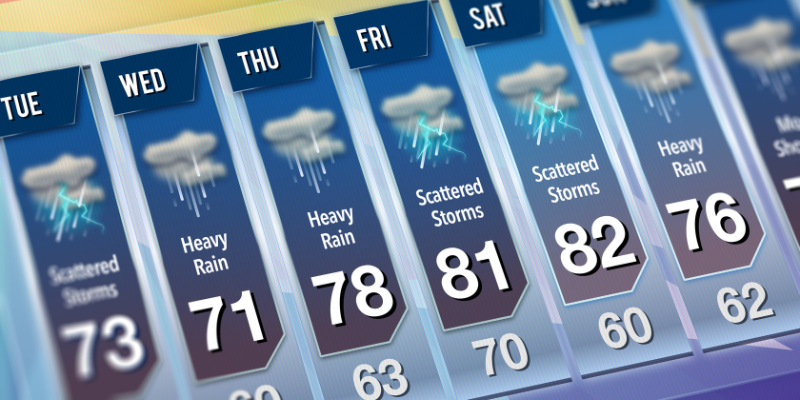
Real-time alerting can enable crews to respond ahead of time, reducing risks and downtime. Drones can also fly over site conditions after extreme weather, enabling managers to quickly evaluate damage and arrange for recovery.
By the integration of historical information and live updates, project teams are able to streamline activities, reschedule critical tasks, and better allocate resources. This proactive approach minimises the impact of weather and optimises continuous progress on projects.
Having local weather forecasts handy is important, but integrity with your project team is also important. It is important to regularly report and have regular progress meetings so that everybody—site managers, stakeholders—is informed of possible weather disruption and what actions are being implemented to eliminate it.
St. Louis contractors, for example, will frequently team with meteorological consultants on large jobs. Knowledge is preparation, and preparation is improved results, less scheduling downtime, and safer work sites.
Whether hiring a St. Louis contractor or planning your project timeline, familiarity with the patterns of weather—and prep work—can render small weather incidents no issue whatsoever.
Weather is the most stubborn of construction scheduling factors, and its influence spreads to all corners of a project. Rain, snow, heat, and seasonality can bring about delay, cost, and safety problems.
Yet, by planning, flexible procedures, and good communication, these issues can be resolved adequately.
By knowing how climate impacts every phase of construction and employing intelligent mitigation strategies, owners and contractors can remain on schedule even when the weatherman is wrong.
Regardless of how big your infrastructure project or how small your development project is, particularly in weather-unpredictable areas such as St. Louis, incorporating weather planning into your construction process isn’t just smart—it’s essential.